Treatment CML (chronic myeloid leukemia) in Germany
Disease control at all stages: from tyrosine kinase inhibitors to bone marrow transplantation
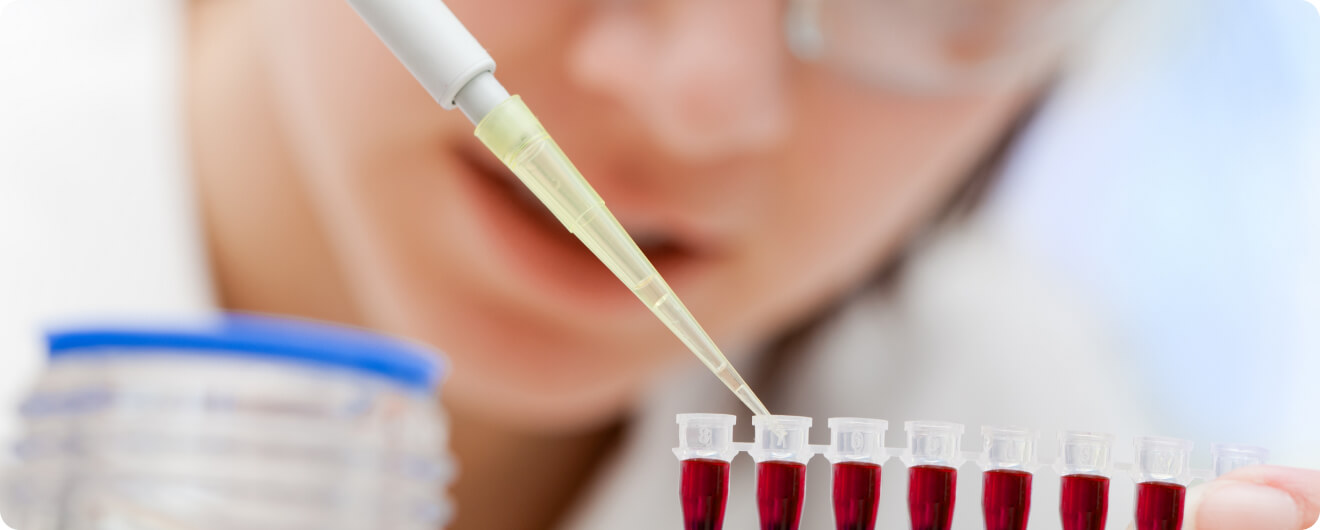
Chronic myeloid leukemia (CML) is a clonal myeloproliferative disease associated with the Philadelphia chromosome. RheinRegio Klinik Zentrum uses modern standards of therapy, including molecular response monitoring and personalized selection of tyrosine kinase inhibitors (TKIs). Our goal is to achieve a deep molecular response and a full quality of life for patients.
Symptoms of CML
Chronic phase (90% of cases at the time of diagnosis)
- Increased fatigue
- Sweating (especially night sweats)
- Feeling of heaviness in the left hypochondrium (splenomegaly)
- Low-grade fever (37.1-38.0°C)
Acceleration phase/blast crisis
- Hemorrhagic syndrome (bleeding gums, bruises)
- Enlarged lymph nodes
- Persistent fever
Important: 30% of patients are identified by chance through a blood test without symptoms.
Diagnosis of CML at RheinRegio Klinik Zentrum
At RheinRegio Klinik Zentrum we carry out:
- Detailed blood test (leukocytosis with a shift to myelocytes, basophilic-eosinophilic association)
- Cytogenetic study (Philadelphia chromosome t(9;22))
- Real-time PCR (quantification of BCR-ABL1 transcripts)
- Next-generation sequencing (detection of resistance mutations T315I, E255K, etc.)
- Bone marrow trephine biopsy (granulocyte lineage hyperplasia)
Answer criteria:
- Complete cytogenetic response (Ph+ 0%)
- Deep molecular response (MR4.5: BCR-ABL1 ≤0.0032%)
Each direction is supervised by advanced oncologists.
Find out the cost of treatment
To find out the approximate cost of treatment, answer a few questions and we will contact you!
Classification and stages of CML
Main types
Hodgkin’s lymphoma (HL):
- Classic (95% of cases)
- Nodular sclerosis (type 1)
Non-Hodgkin’s lymphomas:
- B-cell (diffuse large B-cell, follicular)
- T-cell (peripheral, anaplastic)
Ann Arbor Stages
- Stage I: Damage to 1 group of lymph nodes
- Stage II: 2+ groups on one side of the diaphragm
- Stage III: Involvement on both sides of the diaphragm
- Stage IV: Bone marrow/other organ involvement
Treatment methods for CML
1. Tyrosine kinase inhibitors (TKIs)
- Imatinib (1st generation drug)
- Dasatinib/Nilotinib (2nd generation, if resistant)
- Ponatinib (3rd generation, for T315I mutation)
2. Allogeneic bone marrow transplantation
Indicated for:
- Resistance to TKIs
- blast crisis
3. Additional methods
- Leukocytapheresis (for severe leukocytosis)
- Splenectomy (for symptomatic splenomegaly)
Survival prognosis
- Chronic phase: 10-year survival rate >85%
- Acceleration phase: median survival 2-3 years
- Blast crisis: 6-12 months
Factors for a good prognosis:
- Early cytogenetic response (Ph+ ≤35% after 3 months)
- Low Sokal index
Why choose Germany?
- Leader in the treatment of CML – participation in international studies ENEST, DASISION
- Financial transparency – fixed cost of the annual ITC course
Conclusion
At RheinRegio Klinik Zentrum, we offer each patient with CML a personalized treatment strategy. We combine 20 years of experience in using ITC with innovative approaches.
Sign up for a consultation – let’s take control of the disease!
Our clinics
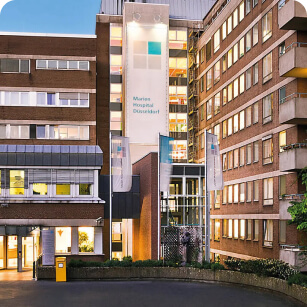
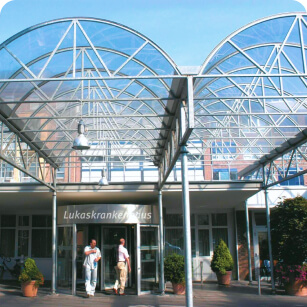
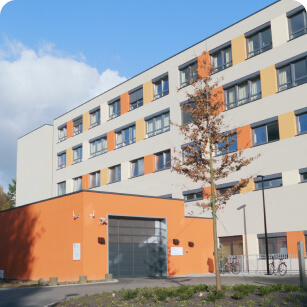
The association of clinics RheinRegio Klinik Zentrum offers the organization of CML treatment in Germany without intermediaries, providing access to the country’s leading oncology clinics. We combine advanced techniques, an individual approach and the highest level of medical care, giving hope even in difficult cases.






Why RheinRegio Klinik Zentrum?

- Molecular Monitoring Laboratory – BCR-ABL1 monitoring with a sensitivity of 10^-5
- Individual selection of TKIs based on pharmacogenetics
- Program for the treatment of resistant forms – access to clinical trials (ascorbate + TKI)
- Patient support – CML schools, psychological assistance