Treatment of glioma in Germany
Personalized approach to brain tumors: from molecular diagnostics to innovative therapies
Glioma is the most common primary brain tumor that develops from glial cells. RheinRegio Klinik Zentrum uses modern treatment protocols based on genomic analysis of the tumor and an interdisciplinary approach. Our goal is to maximize life extension while preserving neurological functions.
Glioma symptoms
General cerebral manifestations
- Increasing headache (especially in the morning)
- Nausea and vomiting not associated with food intake
- Seizures (in 60% of patients)
Focal symptoms
- Weakness in the limbs (if localized in the motor cortex)
- Speech disorders (temporal lobe tumors)
- Deterioration of vision (damage to the occipital lobes)
- Personality changes (frontal lobes)
Important: In 30% of patients, the disease is discovered incidentally during an MRI for another reason.
Diagnosis of glioma at RheinRegio Klinik Zentrum
At RheinRegio Klinik Zentrum we carry out:
- MRI with contrast and spectroscopy (assessment of tumor metabolism)
- PET with methionine (determination of infiltration boundaries)
- Stereotactic biopsy with histology and:
- IDH1/2 mutation status
- MGMT methylation
- Codec 1p/19q
- Liquid biopsy (detection of mutations in ctDNA)
Innovation: Intraoperative confocal microscopy for precise determination of resection margins.
Each direction is supervised by advanced oncologists.
Find out the cost of treatment
To find out the approximate cost of treatment, answer a few questions and we will contact you!
Classification and stages of glioma
Types by cellular composition
- Astrocytomas (60% of cases)
- Oligodendrogliomas (10-15%)
- Ependymomas (5-8%)
Grades of malignancy (WHO, 2021)
- Grade I: Pilocytic astrocytoma (benign)
- Grade II: Diffuse astrocytoma (slow growth)
- Grade III: Anaplastic glioma
- IV degree: Glioblastoma (most aggressive)
Treatment methods for glioma
1. Neurosurgery
- Craniotomy with neuronavigation
- Intraoperative neuromonitoring (preservation of speech and motor functions)
- 5-ALA fluorescence (tumor cell imaging)
2. Radiation therapy
- IMRT (hippocampal sparing)
- Proton therapy (for pediatric tumors)
3. Systemic therapy
- Temozolomide (for methylated MGMT)
- PCV (procarbazine + lomustine + vincristine) – for oligodendrogliomas
- Targeted drugs (IDH inhibitors for mutant tumors)
4. Maintenance therapy
- Anticonvulsants
- Corticosteroids to reduce swelling
Survival prognosis
- Pilocytic astrocytoma: 10-year survival rate >90%
- Anaplastic glioma: median 3-5 years
- Glioblastoma: 12-18 months (with standard treatment)
Factors for improving prognosis:
- Young age
- IDH mutation
- Complete resection
Why choose Germany?
- Leader in neuro-oncology – 5-year survival rate is 15-20% higher than the world average
- Organ-preserving techniques – maintaining quality of life
Conclusion
At RheinRegio Klinik Zentrum, each patient with glioma is offered an individual treatment plan developed by a team of neurosurgeons, oncologists and radiologists.
Sign up for a consultation – we are ready to help in the fight against the disease!
Our clinics
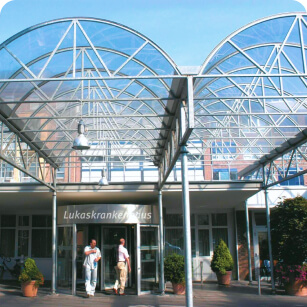
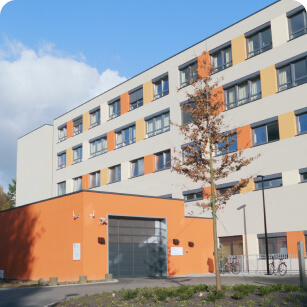
The association of clinics RheinRegio Klinik Zentrum offers the organization of glioma treatment in Germany without intermediaries, providing access to the country’s leading oncology clinics. We combine advanced techniques, an individual approach and the highest level of medical care, giving hope even in difficult cases.




Why RheinRegio Klinik Zentrum?

- Expert center for gliomas – performing 100+ operations annually
- Molecular diagnostics – selection of therapy based on genetic profile
- Clinical trials – access to new drugs (checkpoint inhibitors)
- Rehabilitation – cognitive recovery programs