Treatment of astrocytoma in Germany

Modern standards of treatment for brain tumors while maintaining quality of life
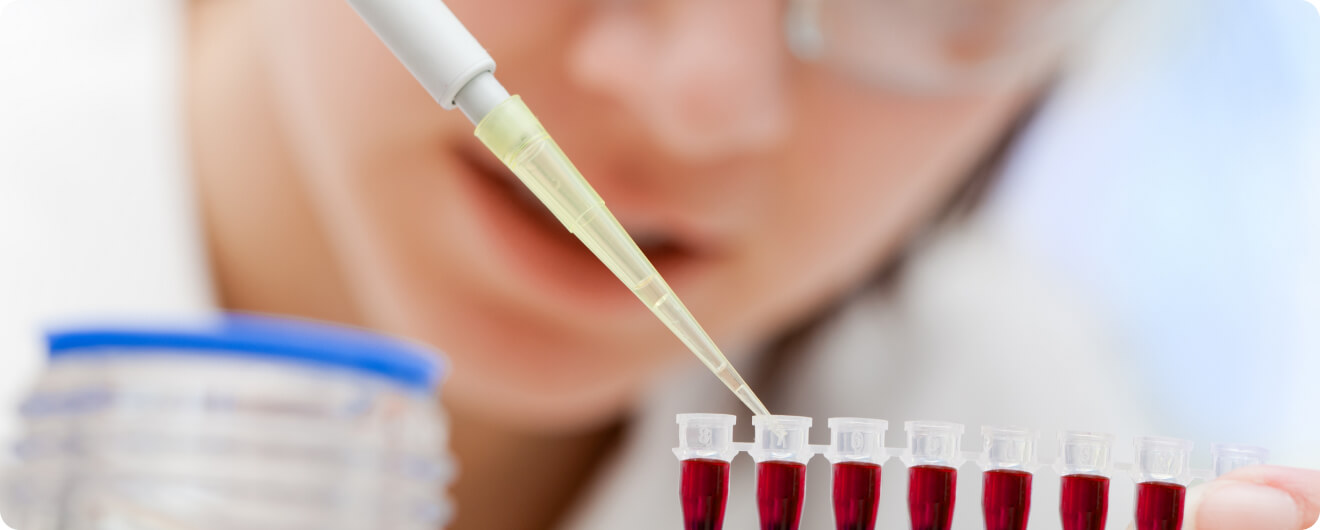
Astrocytoma is the most common glial tumor of the brain, derived from astrocytes. RheinRegio Klinik Zentrum uses individual treatment protocols based on the molecular genetic characteristics of the tumor. Our goal is the best possible control of the disease while maintaining neurological functions.

Symptoms of astrocytoma

General cerebral manifestations

  • Progressive headaches (worsen in the morning)
  • Nausea and vomiting without relief
  • Epileptic seizures (in 50-70% of patients)

Focal symptoms

  • Muscle weakness (if localized in the motor cortex)
  • Coordination problems (cerebellar damage)
  • Visual disturbances (tumors of the occipital lobe)
  • Behavioral changes (frontal lobes)

Important: Pilocytic astrocytomas (grade I) are more common in children, and diffuse forms (grade II and higher) in adults.

Diagnosis of astrocytoma at RheinRegio Klinik Zentrum

At RheinRegio Klinik Zentrum we carry out:

  • MRI with perfusion and spectroscopy
  • PET with methionine (determination of tumor boundaries)
  • Stereotactic biopsy with histology and:
    • IDH1/2 status
    • MGMT methylation
    • TERT mutation
  • Liquid biopsy (recurrence monitoring)

Critical: Accurate molecular profiling to guide treatment decisions.

Each direction is supervised by advanced oncologists.

Find out the cost of treatment

To find out the approximate cost of treatment, answer a few questions and we will contact you!

    Classification of astrocytomas (WHO, 2021)

    According to the degree of malignancy

    1. Grade I: Pilocytic astrocytoma (benign)
    2. Grade II: Diffuse astrocytoma (IDH-mutant)
    3. III degree: Anaplastic astrocytoma
    4. IV degree: Glioblastoma

    By molecular markers

    • IDH-mutant: best prognosis
    • IDH-wild: aggressive course

    Treatment methods for astrocytoma

    1. Neurosurgery

    • Maximum safe resection with neuronavigation
    • Intraoperative MRI control
    • 5-ALA fluorescence (for high-grade forms)

    2. Radiation therapy

    • IMRT (for anaplastic forms)
    • Proton therapy (for children)

    3. Drug treatment

    • Temozolomide (for MGMT methylation)
    • IDH inhibitors (for mutant tumors)
    • Bevacizumab (for pseudoprogression)

    Survival prognosis

    • I degree: >95%
    • II degree: 60-80%
    • III degree: 30-50%

    Conclusion: Our clinic uses a personalized approach to each patient with astrocytoma.

    Schedule a consultation to develop a personalized treatment plan.

    Our clinics

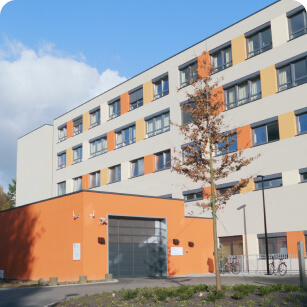
    The association of clinics RheinRegio Klinik Zentrum offers the organization of treatment for astrocytoma in Germany without intermediaries, providing access to the country’s leading oncology clinics. We combine advanced techniques, an individual approach and the highest level of medical care, giving hope even in difficult cases.
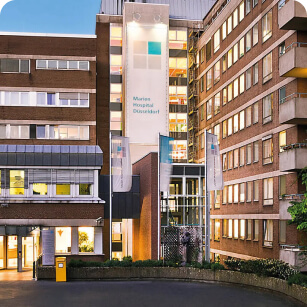
    Catholic Clinical Complex

    The clinic specializes in the diagnosis and medical treatment of tumor diseases of internal organs (solid tumors and carcinomas), connective and musculoskeletal tissues (so-called sarcomas), as well as diseases of the blood and lymphatic system (lymphoma and leukemia). It conducts a wide range of clinical studies aimed at developing new drugs and vaccines for the treatment of cancer.

    More details

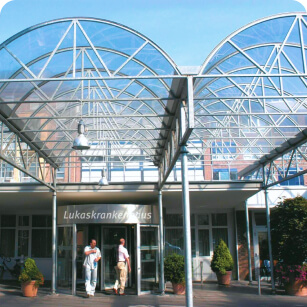
    Rhine Clinical Complex Hospital Lucas

    The Lucas Clinic plays a key role in the German healthcare system, offering a wide range of medical services. All diagnostic and therapeutic radiological activities are carried out at the Institute of Clinical Radiology. Using the most modern devices, in accordance with the latest medical advances, low-irradiation methods of radiation therapy are used.

    More details

    Sana’a Clinical Complex

    The Sanaa Clinical Complex actively uses the latest medical technologies in the treatment of cancer, including robotic surgical systems, high-precision diagnostics and innovative methods of radiation and chemotherapy.

    More details

    Our oncologists:

    Bjorn-Wieland Lisboa

    Gynecologist, senologist, specialist in the treatment of breast cancer, Doctor of Medical Sciences…

    More details

    Karl-Axel Hartmann

    A leading specialist in radiation therapy, Professor, Doctor of Medical Sciences, is included in the TOP list of the best German doctors…

    More details

    Tobias Heintges

    Prof., dr. honey. Sciences, oncologist, gastroenterologist. Included in the TOP list of the best doctors in Germany according to the results of the annual survey of the public journalistic magazine “FOCUS”

    More details

    Jörg Falbrede

    Gynecologist, oncologist, mammologist, uro-gynecologist, professor, doctor of medical sciences Jörg Falbrede is included in the TOP list of the best gynecologists in Germany…

    More details

    Aristotle Giagounidis

    Professor, Doctor of Medical Sciences, Head of the Clinic of Oncology and Hematology Medicine, is on the TOP list of the best German oncologists…

    More details

    Jan Martin Beron

    Dr. med. Jan Martin Beron, leading specialist in thoracic surgery. Specializes in the treatment of lung tumors, including lung cancer and metastases…

    More details

    Thomas Dirschka

    Dermatologist, onco-dermatologist, specialist in allergology and venereology, professor, doctor of medical sciences…

    More details

    Susan Ingman

    Radiologist, Diagnostic Radiologist, Nuclear Medicine Specialist, Dr. Susan Ingman, MD

    More details

    Why RheinRegio Klinik Zentrum?

    • Expert center for gliomas
    • Molecular diagnostics
    • Organ-preserving technologies
    • Clinical studies

    Application for treatment

    Apply now, and our highly qualified staff quickly and professionally choose specialized clinics and physician and prepare visa invitation from the clinic. Application processing time varies from a few hours to 2-3 working days (depending on the complexity of the inquiry).