
Treatment of hepatocellular carcinoma in Germany
Modern approaches to the treatment of hepatocellular carcinoma: from early diagnosis to personalized therapy

Hepatocellular carcinoma (HCC) is the most common primary malignant liver tumor arising from hepatocytes. In Germany, innovative surgical and non-invasive technologies are used to treat HCC, which make it possible to effectively combat the disease even in late stages.
Symptoms of hepatocellular carcinoma
There are often no early symptoms, but as they progress they appear:
- Dull pain in the right hypochondrium
- Unexplained weight loss
- Jaundice and itchy skin
- Abdominal enlargement (ascites)
- General weakness and loss of appetite
Stages according to the BCLC system:
- Early (0-A) – single nodes up to 5 cm
- Intermediate (B) – multiple nodes without spreading
- Advanced (C) – vascular invasion/metastasis
- Terminal (D) – decompensated cirrhosis
Diagnosis of hepatocellular carcinoma at the RheinRegio Klinik Zentrum
RheinRegio Klinik Zentrum uses:
- Liver MRI with contrast (gold standard)
- CT perfusion (assessment of tumor blood supply)
- Ultrasound-guided biopsy (in unclear cases)
- Alpha-fetoprotein test (tumor marker)
- PET-CT (detection of metastases)
Each direction is supervised by advanced oncologists.
Find out the cost of treatment
To find out the approximate cost of treatment, answer a few questions and we will contact you!
Classification and stages of hepatocellular carcinoma
Main types
Hodgkin’s lymphoma (HL):
- Classic (95% of cases)
- Nodular sclerosis (type 1)
Non-Hodgkin’s lymphomas:
- B-cell (diffuse large B-cell, follicular)
- T-cell (peripheral, anaplastic)
Ann Arbor Stages
- Stage I: Damage to 1 group of lymph nodes
- Stage II: 2+ groups on one side of the diaphragm
- Stage III: Involvement on both sides of the diaphragm
- Stage IV: Bone marrow/other organ involvement
Treatment methods for hepatocellular carcinoma
1. Surgical methods
- Liver resection (with preserved organ function)
- Liver transplantation (according to Milan criteria)
2. Local methods
- Radiofrequency ablation (RFA)
- Microwave ablation (MWA)
- Cryoablation
3. Endovascular technologies
- Chemoembolization (TACE)
- Radioembolization (SIRT)
- Selective internal radiotherapy
4. Drug treatment
- Targeted therapy (sorafenib, lenvatinib)
- Immunotherapy (atezolizumab+bevacizumab)
Survival prognosis
-
- Regular ultrasound and MRI monitoring
- Liver function monitoring
- Prevention of viral hepatitisWith early diagnosis, the 5-year survival rate reaches 70%. After treatment you must:
Germany is a world leader in the treatment of HCC. The RheinRegio Klinik Zentrum applies all modern protocols, including access to clinical trials.
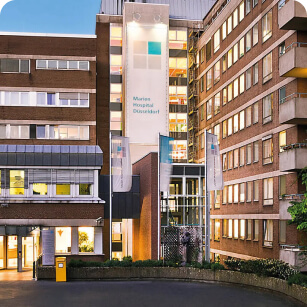
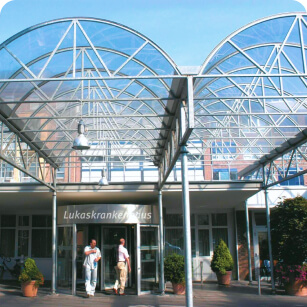
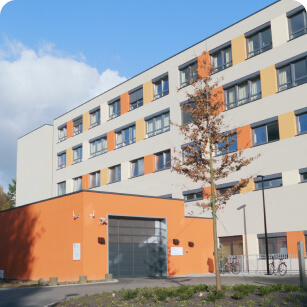
Our clinics
The association of clinics RheinRegio Klinik Zentrum offers the organization of treatment of hepatocellular carcinoma in Germany without intermediaries, providing access to the country’s leading oncology clinics. We combine advanced techniques, an individual approach and the highest level of medical care, giving hope even in difficult cases.








Why RheinRegio Klinik Zentrum?

- Interdisciplinary approach – a council of oncologists, hepatologists and surgeons
- Technological equipment – latest generation equipment
- Personalized therapy – choosing a method based on a molecular profile
- Comprehensive rehabilitation – programs for restoring liver function