Treatment of colorectal cancer in Germany
Modern approaches to the treatment of colorectal cancer: from screening to personalized therapy
Colorectal cancer is the third most common cancer. In Germany, modern screening programs and minimally invasive surgical technologies are used to detect the disease in the early stages and provide effective treatment while maintaining the quality of life of patients.
Symptoms of colorectal cancer
Alarming symptoms:
- Change in bowel habits (diarrhea/constipation)
- Blood in stool
- Abdominal pain and discomfort
- Unexplained weight loss
- Anemia of unknown origin
Risk factors:
- Age over 50
- Hereditary syndromes (Lynch, FAP)
- Chronic inflammatory bowel diseases
- Sedentary lifestyle
- Diet with excess red meat
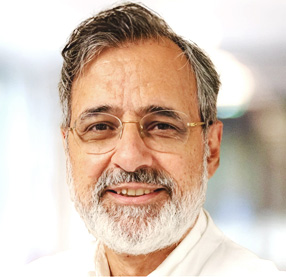
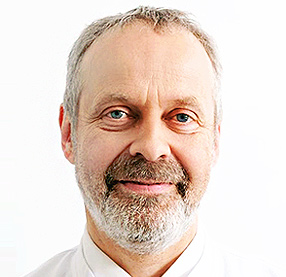
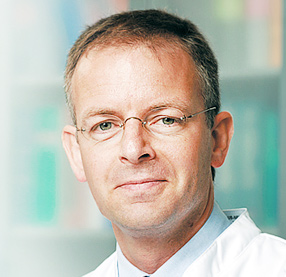
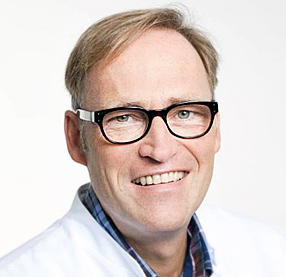
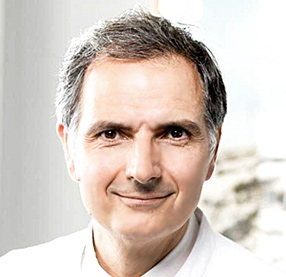
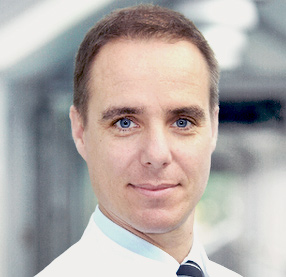
Each direction is supervised by advanced oncologists.
Find out the cost of treatment
To find out the approximate cost of treatment, answer a few questions and we will contact you!
Treatment methods for colorectal cancer
1. Surgical treatment
- Laparoscopic resections (80% of cases)
- da Vinci robotic surgery
- Sphincter-preserving technologies
- Total mesorectumectomy for rectal cancer
2. Combination therapy
- Neoadjuvant chemoradiotherapy (for rectal tumors)
- Adjuvant chemotherapy (FOLFOX, CAPOX)
- Targeted therapy (cetuximab, bevacizumab)
3. Innovative approaches
- Radiofrequency ablation of liver metastases
- HIPEC therapy for peritoneal carcinomatosis
- Immunotherapy for MSI-H tumors
Survival prognosis
5-year survival rate reaches:
- 90% at stage I
- 70% at stage II
- 50% at stage III
Preventive measures:
- Regular colonoscopy after 50 years
- Balanced diet with fiber
- Physical activity
- Quitting smoking and alcohol
Germany offers cutting-edge treatment standards for colorectal cancer. RheinRegio Klinik Zentrum uses all modern technologies – from early diagnosis to complex combined treatment methods.
To consult with clinic specialists, leave a request on our website!
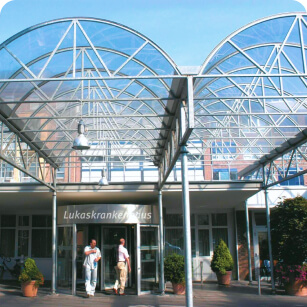
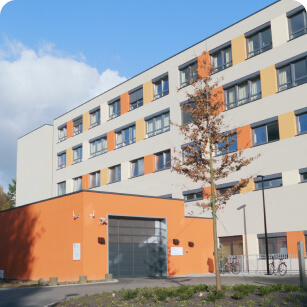
Our clinics
The association of clinics RheinRegio Klinik Zentrum offers the organization of colorectal cancer treatment in Germany without intermediaries, providing access to the country’s leading oncology clinics. We combine advanced techniques, an individual approach and the highest level of medical care, giving hope even in difficult cases.
Why RheinRegio Klinik Zentrum?

- Interdisciplinary oncoconsiliums
- World-class organ-preserving technologies
- Individualized treatment regimens based on molecular profile
- Early rehabilitation with occupational therapists
- Access to clinical trials