Treatment of Hodgkin’s disease in Germany
Modern standards of therapy with 95% effectiveness in the early stages
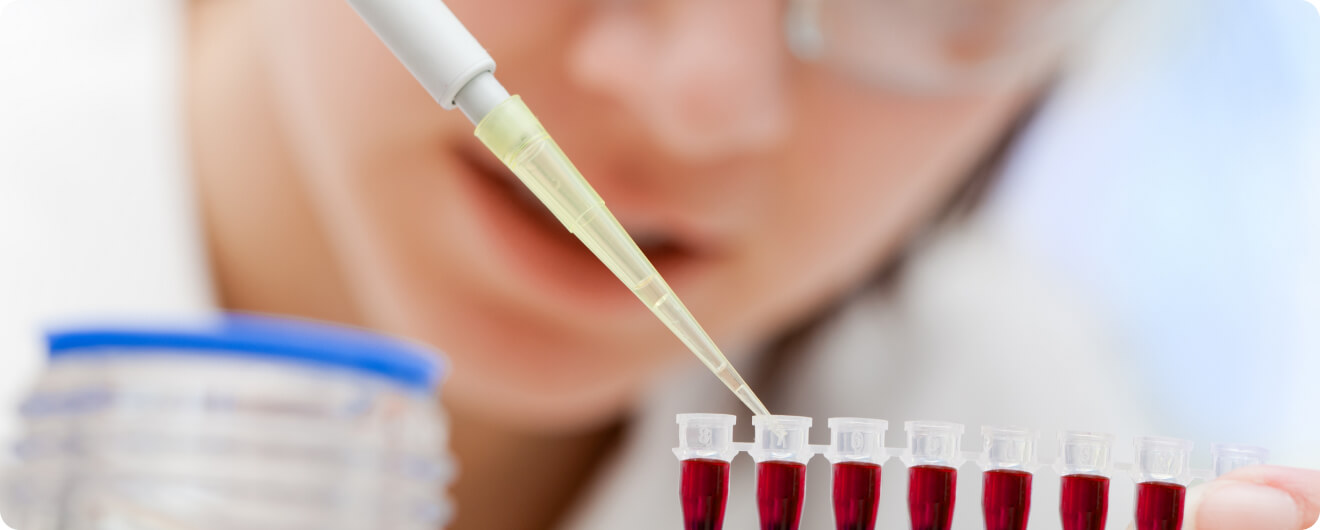
Hodgkin’s disease (lymphogranulomatosis) is a malignant disease of the lymphatic system with characteristic Reed-Sternberg cells. RheinRegio Klinik Zentrum uses individualized treatment protocols to achieve remission in 90% of patients, even in advanced stages. We combine the effectiveness of therapy with minimizing long-term complications.
Symptoms of Hodgkin’s disease
Typical manifestations
- Painless enlargement of lymph nodes (usually cervical-supraclavicular)
- Itchy skin (in 25-35% of patients)
- Alcohol pain (discomfort in the affected lymph nodes after drinking alcohol)
- “B-symptoms”:
- Fever >38°C wavy character
- Night sweats (profuse)
- >10% weight loss in 6 months
Rare signs
- Splenomegaly (in 30% of patients)
- Pulmonary infiltrates (with mediastinal lesions)
Important: In 20% of patients, the disease is detected accidentally during a chest x-ray.
Diagnosis of Hodgkin’s disease at RheinRegio Klinik Zentrum
At RheinRegio Klinik Zentrum we carry out:
- Excisional lymph node biopsy with immunohistochemistry:
- CD15+, CD30+, PAX5+ (Reed-Sternberg cells)
- PET-CT with 18F-FDG (staging standard)
- Bone marrow aspiration (at stages III-IV)
- Laboratory markers:
- Erythrocyte sedimentation rate (ESR)
- Lactate dehydrogenase (LDH)
Innovation: Liquid biopsy to detect minimal residual disease.
Each direction is supervised by advanced oncologists.
Find out the cost of treatment
To find out the approximate cost of treatment, answer a few questions and we will contact you!
Classification and stages of Hodgkin’s disease
Histological variants
- Classic form (95% of cases):
- Nodular sclerosis (type 1)
- Mixed cell variant
- Lymphoid predominance (5%)
Stages of the disease
- I: Lesion of 1 group of lymph nodes
- II: 2+ groups on one side of the diaphragm
- IV: Disseminated organ damage
Example: Classical Hodgkin’s disease stage IIB with mediastinal involvement.
Treatment methods for Hodgkin’s disease
1. Chemotherapy
- ABVD protocol (doxorubicin, bleomycin, vinblastine, dacarbazine) – the gold standard
- BEACOPP-escalated (with poor prognosis)
2. Radiation therapy
- INRT (irradiation of only affected areas)
- Dose 20-30 Gy (in early stages)
3. Immunotherapy
- Brentuximab vedotin (for relapses)
- Nivolumab (PD-1 inhibitor)
4. Transplantation
- Autologous BMT (for refractory forms)
Survival prognosis
- Stages I-II: 95-98% 5-year survival rate
- Stages III-IV: 80-85% with intensive care
- Relapses: 60% cure after high-dose chemotherapy + BMT
Risk factors:
- Male gender
- Age >45 years
- High LDH levels
Why choose Germany?
- World leader in the treatment of lymphomas – participation in the HD18, RATHL studies
- Organ-saving techniques – reducing radiation doses by 50%
Conclusion
RheinRegio Klinik Zentrum uses a “less is more” strategy, achieving high efficiency with minimal toxicity.
Sign up for a consultation – we will return you to a full life!
Our clinics
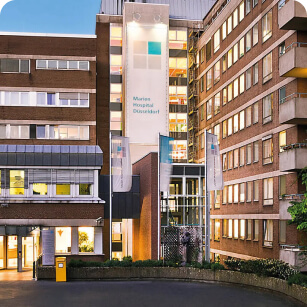
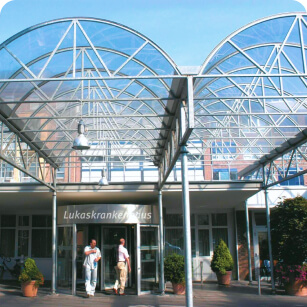
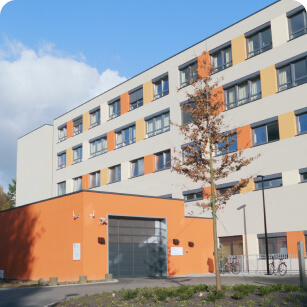
The association of clinics RheinRegio Klinik Zentrum offers the organization of treatment for Hodgkin’s disease in Germany without intermediaries, providing access to the country’s leading oncology clinics. We combine advanced techniques, an individual approach and the highest level of medical care, giving hope even in difficult cases.





Why RheinRegio Klinik Zentrum?

- Reduced radiation doses – prevention of secondary tumors
- De-escalation protocols – minimizing toxicity
- PET-adapted therapy – treatment correction after 2 cycles
- Fertility Preservation – Cryopreservation Programs