
Treatment of anal cancer in Germany
Modern methods of treating anal cancer: from biopsy to combined chemoradiotherapy
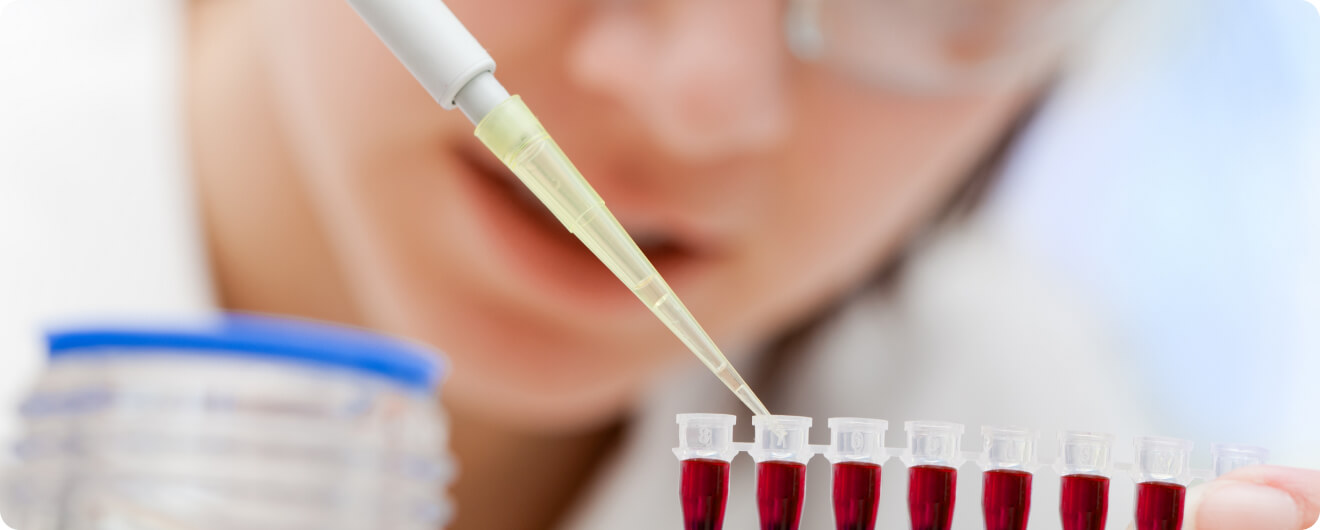
Anal cancer is a rare but aggressive cancer that requires a special approach to treatment. RheinRegio Klinik Zentrum uses innovative organ-preserving techniques, including chemoradiotherapy and sphincter-preserving surgeries, which allows for highly effective treatment while maintaining the quality of life of patients.
Symptoms of anal cancer
In the early stages, the disease may not manifest itself, but as it progresses, the following may occur:
- Bleeding from the anus (often mistaken for hemorrhoids)
- Itching and discomfort in the anal area
- Sensation of a foreign body in the rectum
- Painful bowel movement
- Enlarged inguinal lymph nodes
- Fecal incontinence (in later stages)
If these symptoms appear, an urgent examination by a proctologist is necessary.
Diagnosis of lymphoma at RheinRegio Klinik Zentrum
We conduct a comprehensive examination:
- Digital rectal examination
- Anoscopy/sigmoidoscopy with biopsy
- MRI of the pelvis with contrast
- PET-CT to detect metastases
- HPV test (main risk factor)
- Histological and immunohistochemical examination
Our oncoproctologists use the latest diagnostic protocols to accurately determine the stage of the disease.
Each direction is supervised by advanced oncologists.
Find out the cost of treatment
To find out the approximate cost of treatment, answer a few questions and we will contact you!
Classification and stages of anal cancer
Classification according to the TNM system:
- Stage I: tumor ≤2 cm without lymph node involvement
- Stage II: tumor >2 cm, but without metastases
- Stage III:
- IIIA: regional lymph node involvement
- IIIB: invasion into adjacent organs (vagina, urethra)
- Stage IV: distant metastases
Anal cancer treatment methods
Chemoradiation therapy (main method)
- IMRT radiotherapy – precise radiation delivery while minimizing damage to healthy tissue
- Concomitant chemotherapy (5-FU + mitomycin C)
Surgical treatment
- Local resection – for small tumors
- Abdominoperineal extirpation (for relapses) with sphincter preservation
Immunotherapy
- Pembrolizumab – for metastatic forms
Reconstructive surgery
- Restoration of the anal sphincter after treatment
Survival prognosis
- Localized form (I–II stage): 80–90% 5 year survival rate
- Locally distributed (III stage): 60–70%
- Metastatic (IV stage): 15–30%
Favorable factors:
- HPV-associated tumors
- Complete response to chemoradiotherapy
Unfavorable:
- Tumor size >5 cm
- Lymph node involvement
Anal cancer is not a death sentence. At RheinRegio Klinik Zentrum we use cutting-edge technology to provide our patients with effective treatment while maximizing their quality of life.
Sign up for a consultation with a leading oncoproctologist!
Our clinics
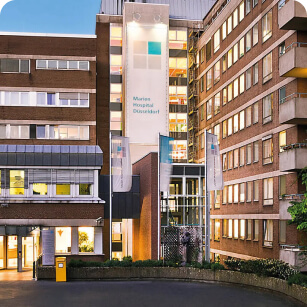
The association of clinics RheinRegio Klinik Zentrum offers the organization of treatment for anal cancer in Germany without intermediaries, providing access to the country’s leading oncology clinics. We combine advanced techniques, an individual approach and the highest level of medical care, giving hope even in difficult cases.








Why RheinRegio Klinik Zentrum?

- World-class specialists – oncoproctologists with experience >15 years
- Latest generation equipment – TrueBeam linear accelerators
- Individual protocols – treatment according to international NCCN standards
- Preservation of sphincter functions – minimizing the consequences of treatment
- Psychological support – assistance in adaptation after treatment