
Treatment of multiple myeloma in Germany
Modern methods of treating multiple myeloma: from targeted therapy to CAR-T cells”

Multiple myeloma is a malignant blood disease in which plasma cells multiply uncontrollably in the bone marrow. In Germany, the latest treatment protocols are used, including targeted therapy, immunotherapy and stem cell transplantation, which allows achieving long-term remission and improving the quality of life of patients.
Symptoms of multiple myeloma
Bone lesions:
- Severe pain in the spine, ribs, pelvic bones
- Pathological fractures
- Osteoporosis and bone deformities
General symptoms:
- Weakness, fatigue
- Frequent infections due to decreased immunity
- Kidney failure (edema, high blood pressure)
- Anemia (pallor, dizziness)
Laboratory signs:
- Increased calcium in the blood
- The appearance of Bence Jones protein in the urine
- High M-gradient level
Diagnosis of multiple myeloma at RheinRegio Klinik Zentrum
Laboratory tests:
- General and biochemical blood test
- Immunofixation of proteins
- Urine test for Bence Jones protein
Instrumental methods:
- Sternal puncture and trepanobiopsy
- Whole body MRI (detecting lesions)
- X-ray of bones (search for lytic lesions)
- PET-CT (assessment of tumor activity)
Cytogenetic studies:
- Detection of chromosomal abnormalities (del17p, t(4;14))
Each direction is supervised by advanced oncologists.
Find out the cost of treatment
To find out the approximate cost of treatment, answer a few questions and we will contact you!
Classification and stages of multiple myeloma
1. Types according to immunochemistry:
- IgG (most common)
- IgA
- Light chains (Bence-Jones)
- Non-secretive
2. Stages (according to Durie-Salmon, revised):
-
I:
-
Hemoglobin >100 g/l
-
Calcium is normal
-
No bone lesions
-
Low M protein levels
-
-
II: Intermediate indicators
-
III:
-
Hemoglobin <85 g/l
-
Calcium >2.65 mmol/l
-
≥3 bone lesions
-
High levels of M protein
-
3. Stages (according to ISS – International Staging System):
- I: β2-microglobulin <3.5, albumin ≥35
- II: Intermediate values
- III: β2-microglobulin ≥5.5
4. Genetic risks (FISH):
- Standard risk: t(11;14), hyperdiploidy
- High risk: del(17p), t(4;14), t(14;16)
5. Clinical forms:
- Smoldering (asymptomatic)
- Symptomatic (CRAB criteria)
CRAB criteria:
- Calcium (hypercalcemia)
- Renal failure (kidney damage)
- Anemia (anemia)
- Bone lesions (bone lesions)
Treatment options for multiple myeloma
Drug therapy
- Immunomodulators (lenalidomide, pomalidomide)
- Proteasome inhibitors (bortezomib, carfilzomib)
- Monoclonal antibodies (daratumumab, elotuzumab)
- Corticosteroids (dexamethasone)
Stem cell transplantation
- Autologous transplantation (main method in patients under 70 years of age)
- Allogeneic transplantation (in difficult cases)
Adjuvant therapy
- Bisphosphonates (bone protection)
- Erythropoietin (correction of anemia)
- Plasmapheresis (for hyperviscosity syndrome)
Survival prognosis
With timely treatment, the 5-year survival rate reaches 50-70%. After achieving remission you must:
- Regular monitoring by a hematologist
- Monitoring blood and urine parameters
- Prevention of infections
Germany is a world leader in the treatment of multiple myeloma. RheinRegio Klinik Zentrum uses the most modern methods to achieve stable remission.
Contact us to find out more and schedule a consultation!
Our clinics
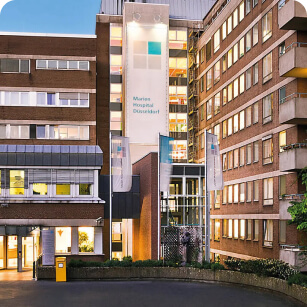
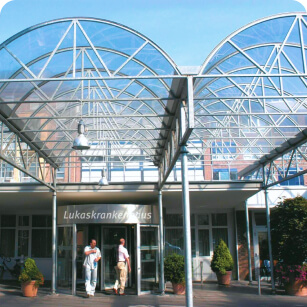
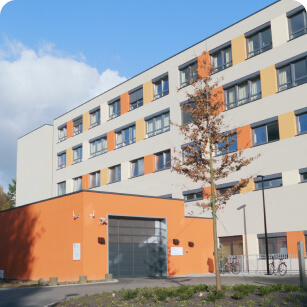
The association of clinics RheinRegio Klinik Zentrum offers treatment for multiple myeloma in Germany without intermediaries, providing access to the country’s leading oncology clinics. We combine advanced techniques, an individual approach and the highest level of medical care, giving hope even in difficult cases.








Why RheinRegio Klinik Zentrum?

- World-class experts – hematologists with experience working under international protocols
- Innovative methods – access to the latest drugs and clinical studies
- Personalized approach – selection of therapy based on molecular genetic tests
- Comprehensive support – treatment of complications and rehabilitation
- Comfortable conditions – increased comfort rooms