Treatment of rhabdomyosarcoma in Germany
Innovations in the treatment of rhabdomyosarcoma: from molecular profiling to immunotherapy

Rhabdomyosarcoma (RMS) is a rare but aggressive type of malignant tumor arising from striated muscle. The disease most often occurs in children and adolescents, although it can also affect adults. The RheinRegio Klinik Zentrum uses advanced diagnostic and treatment methods, including chemotherapy, radiation therapy and organ-conserving surgery, which allows achieving high results even in complex cases.
Symptoms of rhabdomyosarcoma
Manifestations of the disease depend on the location of the tumor. Most often affected:
- Head and neck (including orbit and nasopharynx)
- Genitourinary system (bladder, prostate, vagina)
- Limbs and torso
Main symptoms:
- A lump or tumor that is growing rapidly
- Pain in the affected area (not always in the early stages)
- Organ dysfunction (for example, problems with urination or vision)
- Weakness, weight loss, anemia (as the disease progresses)
Early diagnosis is critical, so if there are any suspicious changes, you should contact a specialist.
Diagnosis of rhabdomyosarcoma at RheinRegio Klinik Zentrum
RheinRegio Klinik Zentrum uses a full range of tests to make an accurate diagnosis:
- Biopsy (histological and immunohistochemical analysis of the tumor).
- MRI and CT (assessment of size and extent).
- PET-CT (detection of metastases).
- Ultrasound, x-ray, laboratory tests.
Accurate diagnosis allows you to select an individual treatment plan.
Each direction is supervised by advanced oncologists.
Find out the cost of treatment
To find out the approximate cost of treatment, answer a few questions and we will contact you!
Classification and stages of rhabdomyosarcoma
Classification is based on tumor size, extent of spread and histological type:
- Localized tumor – limited to one anatomical area.
- Regional spread – damage to nearby lymph nodes.
- Metastatic form – the tumor gives distant metastases (lungs, bones, bone marrow).
Histological types:
- Fetal (most common in children, better treatable).
- Alveolar (aggressive, more common in adolescents).
- Pleomorphic (rare, usually in adults).
Treatment methods for rhabdomyosarcoma
Our clinic uses the latest protocols, including:
- Chemotherapy is the main method, especially for metastases.
- Radiation therapy (IMRT, proton therapy) – for local tumor control.
- Surgery – maximum organ-preserving operations using robotic systems.
- Targeted and immunotherapy – innovative approaches for resistant forms.
Survival prognosis
5-year survival rate:
- Localized form (I–II stage): 70–90%
- Locally distributed (III stage): 50–70%
- Metastatic (IV stage): 20–30%
Key prognostic factors:
- Age: Children have a better prognosis than adults
- Histological subtype:
-
Fetal (best prognosis)
-
Alveolar (more aggressive)
-
-
Localization:
-
Favorable: orbit, head/neck (non-parameningeal), genitourinary system
-
Unfavorable: parameningeal, extremities, trunk
-
- Tumor size: <5 cm – better forecast
- Possibility of radical removal
- Response to chemotherapy
Unfavorable factors:
- Presence of metastases (especially to bone marrow/bone)
- Alveolar subtype with translocation t(2;13) or t(1;13)
- Age >10 years
Note: Modern protocols (VAC, IVA) and immunotherapy improve results.
If you or your child have been diagnosed with rhabdomyosarcoma, contact RheinRegio Klinik Zentrum. We offer the highest level of medical care and a chance to defeat the disease.
Contact us for a consultation!
Our clinics
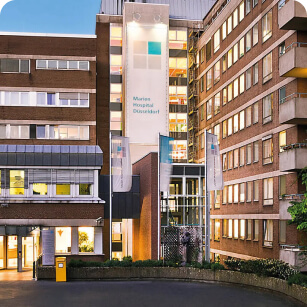
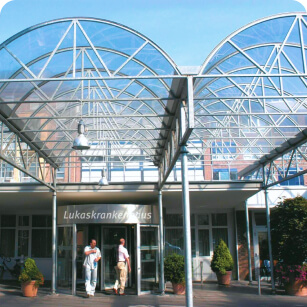
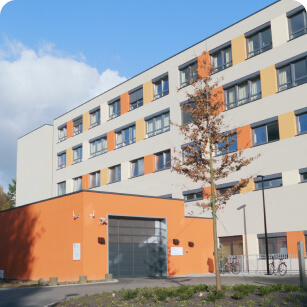
The association of clinics RheinRegio Klinik Zentrum offers the organization of treatment of rhabdomyosarcoma in Germany without intermediaries, providing access to the country’s leading oncology clinics. We combine advanced techniques, an individual approach and the highest level of medical care, giving hope even in difficult cases.


Why RheinRegio Klinik Zentrum?

- The highest level of technology – we use the latest advances in oncology.
- Complete confidentiality is a guarantee of the security of patient data.
- Comfortable conditions – friendly staff and care for each patient.