
Percutaneous transluminal coronary angioplasty (PTCA)
Percutaneous transluminal coronary angioplasty (PTCA): from accurate diagnosis to restoration of blood flow

Percutaneous transluminal coronary angioplasty (PTCA) is a minimally invasive procedure that restores blood flow in narrowed coronary arteries. In Germany, PTCA is performed using the latest equipment and innovative stents, which ensures high efficiency and minimal risk of complications. At RheinRegio Klinik Zentrum, the procedure is performed by leading cardiologists with many years of experience.
What is PTCA?
PTCA is a modern method of treating coronary heart disease, which:
- Eliminates narrowing of the coronary arteries
- Restores blood supply to the myocardium
- Performed without open surgery
- Allows you to quickly return to normal life
Procedure steps:
- Catheterization – insertion of a thin tube through an artery (usually in the groin or arm)
- Angiography – contrast study of blood vessels
- Balloon angioplasty – widening the narrowed area
- Stenting (if necessary) – installation of a metal frame
Indications
- Acute myocardial infarction (for emergency restoration of blood flow)
- Stable coronary heart disease with severe symptoms
- Progressive angina
- Restenosis after previous interventions
- Positive stress test results
Contraindications
- Multiple diffuse lesions of the coronary arteries
- Severe heart failure
- Allergies to contrast agents
- Acute infectious diseases
Treatment in Germany
1. Accurate diagnosis before the procedure
German clinics conduct:
- Coronary angiography (gold standard for diagnosis)
- CT coronary angiography
- Stress EchoCG
- MRI of the heart (in difficult cases)
2. Modern PTCA technologies
Available in Germany:
- Drug-eluting stents (reduce the risk of restenosis)
- Bioabsorbable stents (resorb after 2-3 years)
- Rotablation (for calcified plaques)
- IVUS/OCT (intravascular ultrasound for precise control)
3. Safety and comfort
- Local anesthesia
- Duration 30-90 minutes
- Hospitalization 1-2 days
- Minimum recovery period
4. Comprehensive rehabilitation
After the procedure:
- Individual drug therapy
- Cardiac monitoring
- Physical rehabilitation programs
- Correction of risk factors
Find out the cost of treatment
To find out the approximate cost of treatment, answer a few questions and we will contact you!
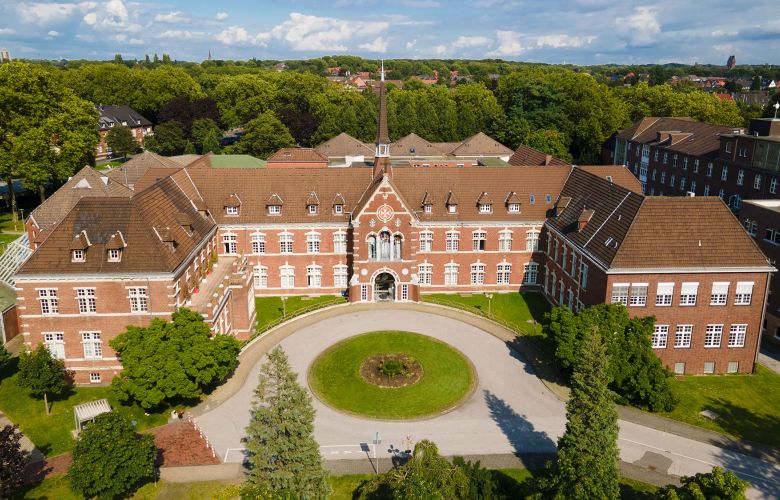
Evangelical Clinical Complex of the Lower Rhine
Evangelical Clinical Complex of the Lower Rhine (Evangelisches Klinikum Niederrhein) is one of the leading medical institutions in the region of North Rhine-Westphalia, Germany, with recognized expertise in the field of cardiac surgery. The clinic is equipped with advanced technologies and offers a full range of highly specialized cardiac surgical interventions.
The complex brings together a multidisciplinary team of cardiac surgeons, cardiologists, anesthesiologists and rehabilitation specialists working in accordance with international standards. The department is equipped with hybrid operating rooms, the latest generation imaging systems and a specialized cardiac intensive care unit, which ensures high precision of interventions and patient safety.
The Cardiovascular Surgery Clinic serves approximately 3,500 patients per year, of which approximately 2,400 undergo operations using a heart-lung machine. Particular attention is paid to children with congenital heart defects who are under the supervision of a pediatric cardiology clinic.


Why RheinRegio Klinik Zentrum?

- Experienced Interventional Cardiologists
- Expert class equipment
- Using the best stents from global manufacturers
- Own cardiac surgery hospital
- Full support at all stages of treatment