
Treatment of adhesive pericarditis

Adhesive (adhesive) pericarditis is a chronic inflammation of the pericardial sac with the formation of adhesions between the pericardial layers or neighboring organs. RheinRegio Klinik Zentrum uses an integrated approach to the treatment of this pathology, combining minimally invasive techniques and individual drug therapy.
This is the outcome of acute inflammation in which:
- The visceral and parietal layers of the pericardium grow together
- Fibrous adhesions form with:
- Mediastinum
- Pleura
- Diaphragm
Heart mobility is impaired
Difference from constrictive pericarditis:
- No significant compression of the heart
- Most often asymptomatic
Reasons for development
- Past diseases:
- Bacterial/tuberculous pericarditis
- Heart surgery (postcardiotomy syndrome)
- Uremia in chronic renal failure
- Autoimmune processes:
- Rheumatoid arthritis
- SLE
- Radiation therapy
Symptoms of adhesive pericarditis
- Often absent (asymptomatic)
- With progression:
- Shortness of breath on exertion
- Dull pain in the precordial area
- Arrhythmias (extrasystole, atrial fibrillation)
Find out the cost of treatment
To find out the approximate cost of treatment, answer a few questions and we will contact you!
Diagnostics adhesive pericarditis
EchoCG:
- Pericardial thickening >3 mm
- Limitation of wall mobility
CT/MRI of the heart:
- Accurate assessment of adhesions
- Involvement of neighboring organs
Cardiac catheterization:
- Differentiation with constrictive form
Treatment methods adhesive pericarditis
Drug therapy
- NSAIDs (ibuprofen 600 mg 3 times a day) – for active inflammation
- Corticosteroids (prednisolone 0.5 mg/kg) – for autoimmune nature
- Colchicine 0.5 mg/d – for the prevention of relapses
Surgical treatment
Indications:
- Hemodynamically significant adhesions
- Refractory pain syndrome
Types of operations:
- Pericardiectomy (open/VATS)
- Cutting adhesions with a Da Vinci robot
Survival prognosis
5-year survival rate:
- After pericardectomy: 60–80%
- Without surgery: <30% (for progressive heart failure)
Key prognosis factors:
- Timely operation (before the development of irreversible myocardial fibrosis)
- Cause of pericarditis:
- Post-operative/post-infectious – best prognosis
- Radiation/tuberculosis – more severe course
-
No severe liver/kidney dysfunction
Unfavorable signs:
- Pericardial calcification
- LV ejection fraction <45%
- Hypoproteinemia (albumin <3.0 g/dl)
Note: After a successful pericardiectomy, most patients return to normal life.
Our clinics
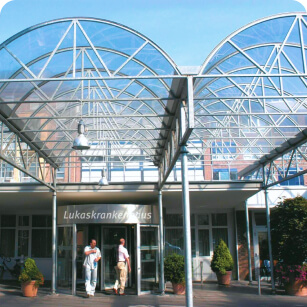
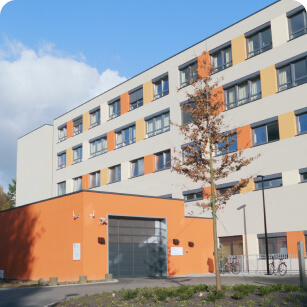
Our clinics in Germany provide treatment adhesive pericarditis at the highest level, with the most modern equipment. In addition, the RheinRegio Klinik Zentrum clinics offer comfortable living conditions, as well as friendly and responsive medical staff.





Why RheinRegio Klinik Zentrum?

- Endovascular treatment methods (balloon pericardiotomy)
- 3D surgery planning
- Interdisciplinary council (cardiac surgeons, rheumatologists)