Reconstructive tracheostomy augmentation (RTSA)
Reconstructive tracheostomy augmentation: from airway restoration to innovative plastic methods
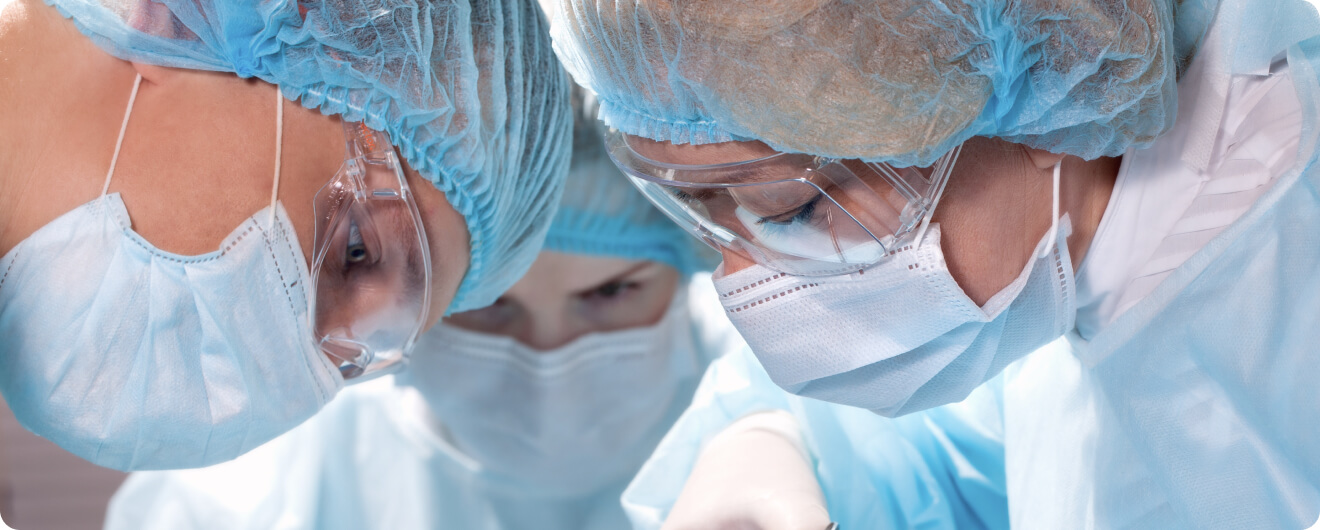
Reconstructive tracheostomy augmentation (RTSA) is a modern surgical method used for severe airway disorders, including tracheal stenosis, postoperative strictures and the consequences of prolonged intubation. In clinics in Germany, including RheinRegio Klinik Zentrum, this method is used as part of a comprehensive treatment of patients with airway obstruction and requires high surgical precision and a multidisciplinary approach.
What is RTSA
PTCA is a reconstructive intervention on the trachea with the formation of a stable respiratory lumen and the creation of a functional tracheostomy. The main goal of the procedure is to ensure stable airway patency, facilitate breathing, eliminate the symptoms of chronic hypoxia and improve the patient’s quality of life.
Indications
- Tracheal stenosis (post-intubation, post-traumatic, tumor);
- Granulomatous lesions of the upper respiratory tract;
- Ineffectiveness of conservative tracheostomy;
- Frequent recurrences of stenoses after balloon dilatation;
- Postoperative scar deformities;
- The need for long-term ventilation in neurological diseases.
Contraindications
- Acute infectious processes in the intervention area;
- Severe respiratory failure that does not allow surgery;
- General contraindications to anesthesia (decompensated conditions of the heart and lungs);
- Active oncological process without stabilization.
Treatment in Germany
B RheinRegio Klinik Zentrum treatment includes several stages:
- Diagnostics — bronchoscopy, CT of the trachea, MRI of the neck, laboratory tests;
- Preparing for surgery — includes assessment of general condition, respiratory function, correction of background diseases;
- Surgical intervention — formation of an augmented tracheostomy or reconstruction of a stenotic area;
- Postoperative management — respiratory therapy, observation by an ENT surgeon, speech therapist and pulmonologist;
- Rehabilitation — restoration of speech, teaching the patient how to independently care for a tracheostomy, planned sanitation.
The procedure can be performed under general anesthesia using microsurgical techniques and individual selection of implants.
Find out the cost of treatment
To find out the approximate cost of treatment, answer a few questions and we will contact you!
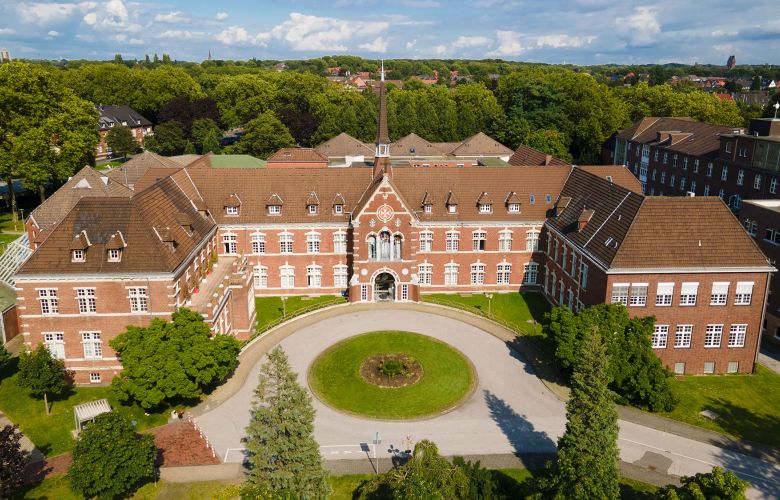
Evangelical Clinical Complex of the Lower Rhine
Evangelical Clinical Complex of the Lower Rhine (Evangelisches Klinikum Niederrhein) is one of the leading medical institutions in the region of North Rhine-Westphalia, Germany, with recognized expertise in the field of cardiac surgery. The clinic is equipped with advanced technologies and offers a full range of highly specialized cardiac surgical interventions.
The complex brings together a multidisciplinary team of cardiac surgeons, cardiologists, anesthesiologists and rehabilitation specialists working in accordance with international standards. The department is equipped with hybrid operating rooms, the latest generation imaging systems and a specialized cardiac intensive care unit, which ensures high precision of interventions and patient safety.
The Cardiovascular Surgery Clinic serves approximately 3,500 patients per year, of which approximately 2,400 undergo operations using a heart-lung machine. Particular attention is paid to children with congenital heart defects who are under the supervision of a pediatric cardiology clinic.
Why RheinRegio Klinik Zentrum?

-
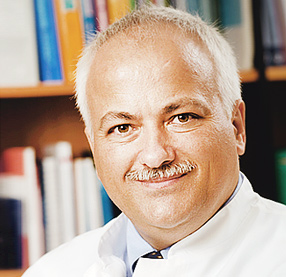
- Unique experience — the center’s doctors are highly qualified in the field of reconstructive ENT surgery;
- Modern technologies — the clinic’s arsenal includes: laser surgery, 3D navigation, biocompatible materials;
- Multidisciplinary approach — participation of pulmonologists, rehabilitation specialists, anesthesiologists;
- Minimizing complications — strict protocols for the prevention of infections and thrombosis;
- Comfortable conditions of stay — superior comfort rooms, Russian-speaking staff;
Individual treatment program — each patient receives a detailed plan of therapy and follow-up support.