Treatment of bowel cancer in Germany
A comprehensive approach to colorectal cancer: from early detection to innovative therapies

Colon cancer is the 3rd most common cancer in the world. RheinRegio Klinik Zentrum uses advanced diagnostic and treatment methods, including endoscopic resections, robotic surgery and personalized therapy. Our goal is not only radical tumor removal, but also maintaining the quality of life of patients.
Symptoms of bowel cancer
Early signs (often absent)
- Changes in the rhythm of bowel movements (alternating constipation and diarrhea)
- Abdominal discomfort, flatulence
- Blood in the stool (scarlet or dark in color)
- Feeling of incomplete bowel movement
Late symptoms
- Intestinal obstruction (cramping pain, vomiting)
- Anemia (pallor, weakness, dizziness)
- Significant weight loss (more than 10% in 3 months)
- Palpable mass in the abdomen
Alarm Sign: The combination of rectal bleeding and decreased hemoglobin requires an urgent colonoscopy.
Diagnosis of colon cancer at RheinRegio Klinik Zentrum
At RheinRegio Klinik Zentrum we carry out:
- NBI-enhanced colonoscopy + biopsy (accuracy >98%)
- Endoscopic ultrasound (to assess the depth of invasion in rectal cancer)
- MRI of the pelvis with diffusion weighted sequence
- PET-CT with 18F-FDG (detection of metastases <3 mm)
- Genetic tests:
-
- MSI/MMR status (for immunotherapy)
- RAS/RAF mutations (prognosis and choice of targeted therapy)
Innovation: Circulating tumor DNA (ctDNA) analysis for early detection of relapses.
Each direction is supervised by advanced oncologists.
Find out the cost of treatment
To find out the approximate cost of treatment, answer a few questions and we will contact you!
Classification and stages of colon cancer
Tumor localization
- Right colon: anemia, general weakness
- Left colon: constipation, band-like stools
- Rectosigmoid region: tenesmus, admixture of scarlet blood
Stages according to the TNM system (8th edition, 2023)
- Tis: Carcinoma in situ
- T4b: Invasion into adjacent organs
- N1b: Metastases in 2-3 regional lymph nodes
- M1c: Peritoneal metastases
Treatment methods for bowel cancer
1. Surgical treatment
- Endoscopic submucosal dissection (ESD) – for T1a
- Laparoscopic hemicolectomy – minimally invasive approach
- Total mesorectumectomy (TME) is the gold standard for colorectal cancer
2. Radiation therapy
- Neoadjuvant radiochemotherapy (for lower ampullary tumors)
- Stereotactic radiosurgery (for oligometastases in the liver)
3. Systemic therapy
- FOLFOX/CAPOX – standard chemotherapy regimens
- Cetuximab (for RAS wild type)
- Pembrolizumab (for MSI-H status)
4. HIPEC therapy
- For peritoneal carcinomatosis
Survival prognosis
- Stage I: 5-year survival rate 90-95%
- Stage III: 60-65% with complex treatment
- Stage IV: median survival 30 months with modern regimens
Factors for improving prognosis:
- MSI-H status
- Complete pathomorphosis after neoadjuvant therapy
- R0 resection
Why choose Germany?
- Leader in colorectal surgery (15-20% higher survival rate vs. world average)
- Organ-preserving techniques – natural passage is preserved in 80% of patients
Conclusion
At RheinRegio Klinik Zentrum, individual algorithms are used for each case of colon cancer. We combine German precision with innovative approaches to treatment.
Sign up for a consultation – we are ready to help even in difficult cases!
Survival prognosis
- ALL in children – 90% 5-year survival rate.
- CML – 85% of patients live 10+ years on imatinib.
- Relapsed AML – 50% chance of remission after transplantation.
Important: Early diagnosis improves the prognosis by 2–3 times.
RheinRegio Klinik Zentrum uses a personalized approach to the treatment of leukemia. We combine the latest scientific advances with caring for each patient.
Sign up for a consultation – we are ready to help in the fight against the disease!
Our clinics
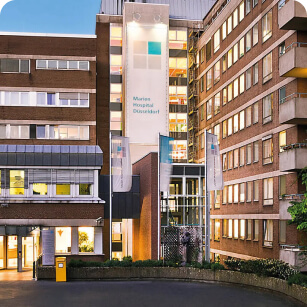
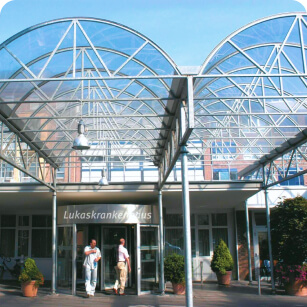
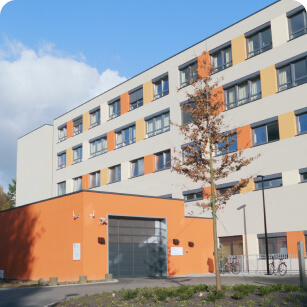
The association of clinics RheinRegio Klinik Zentrum offers cancer treatment in Germany without intermediaries, providing access to the country’s leading oncology clinics. We combine advanced techniques, an individual approach and the highest level of medical care, giving hope even in difficult cases.





Why RheinRegio Klinik Zentrum?

- Robot-assisted surgery (Da Vinci Xi) – precision identification of nerve structures
- Preservation of the sphincter – even with low-lying rectal tumors
- Neuromonitoring – prevention of sexual dysfunction after surgery
- Genetic passport of a tumor – personalized selection of therapy
- Rehabilitation programs – restoration of intestinal function