
Treatment of indolent lymphomas in Germany
Modern approaches to the treatment of indolent lymphomas: from accurate diagnosis to controlled therapy
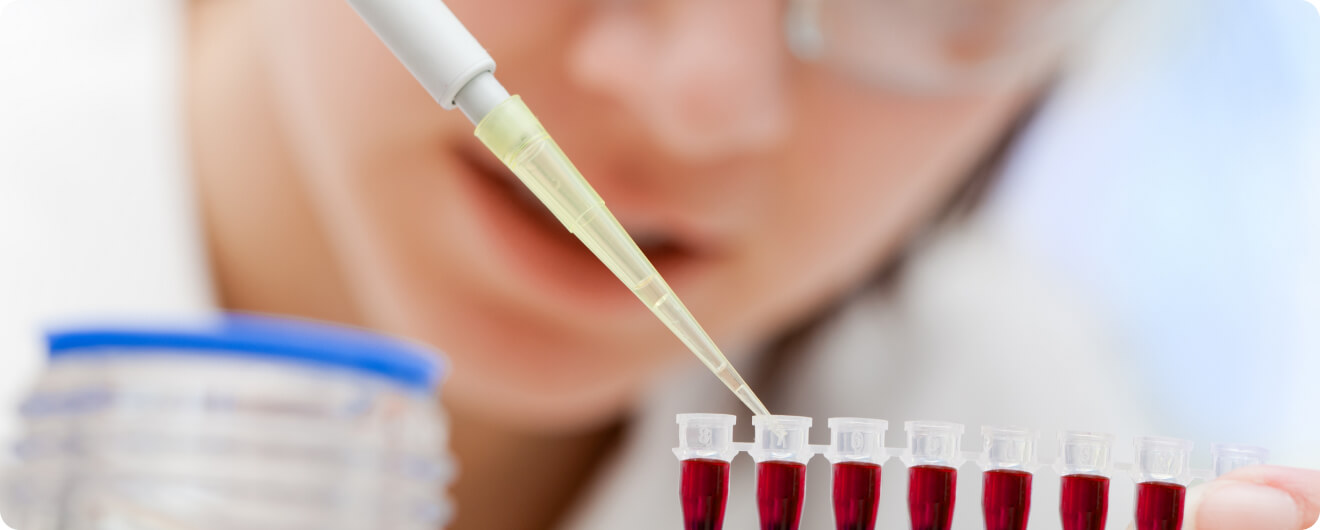
Indolent lymphomas are a group of slowly progressive malignant diseases of the lymphatic system, characterized by a long course and a relatively favorable prognosis. In Germany, personalized treatment strategies are used, including follow-up, immunotherapy and innovative targeted drugs, to control the disease with minimal impact on the patient’s quality of life.
Main types of indolent lymphomas
The most common forms include:
- Follicular lymphoma (70% of cases)
- Marginal zone lymphoma (MALT lymphoma)
- Lymphoplasmacytic lymphoma (Waldenström’s disease)
- Small lymphocytic lymphoma (SLL)
These diseases develop slowly, often without symptoms in the early stages, and may not require immediate treatment.
Symptoms of indolent lymphomas
Clinical manifestations:
- Painless enlargement of lymph nodes (cervical, inguinal, axillary)
- Weakness, night sweats
- Frequent infections due to immunodeficiency
- With MALT lymphomas – symptoms of organ damage (stomach, lungs, salivary glands).
Diagnostics in Germany:
- Lymph node biopsy with immunohistochemistry (determination of CD20, CD5, CD23)
- PET-CT to assess the extent of the process
- Bone marrow analysis
- Molecular genetic tests (t(14;18) for follicular lymphoma).
Each direction is supervised by advanced oncologists.
Find out the cost of treatment
To find out the approximate cost of treatment, answer a few questions and we will contact you!
Treatment methods for indolent lymphomas
1. Dynamic observation (“Watch & Wait”)
Used for asymptomatic patients:
- Regular examinations and control CT/ultrasound
- Delay of therapy until indications appear (progression, symptoms).
2. Targeted therapy
- Anti-CD20 antibodies (rituximab, obinutuzumab)
- BCR signaling inhibitors (ibrutinib)
- Immunomodulators (lenalidomide).
3. Radiation therapy
Used for localized forms (stages I-II) to achieve long-term remission.
4. Chemotherapy
Prescribed for aggressive course:
- Combinations R-CHOP, BR (bendamustine + rituximab)
- High-dose therapy with stem cell transplantation for relapses.
Survival prognosis
5-year survival rate reaches 80-90%. After treatment it is recommended:
- Follow-up examinations every 3-6 months
- Blood monitoring for LDH and β2-microglobulin
- PET-CT if transformation to an aggressive form is suspected16.
Germany is a world leader in the treatment of indolent lymphomas. The RheinRegio Klinik Zentrum uses innovative methods to control the disease for decades.
To consult with German specialists, leave a request on our website!
Our clinics
The association of clinics RheinRegio Klinik Zentrum offers the organization of treatment of indolent lymphomas in Germany without intermediaries, providing access to the country’s leading oncology clinics. We combine advanced techniques, an individual approach and the highest level of medical care, giving hope even in difficult cases.
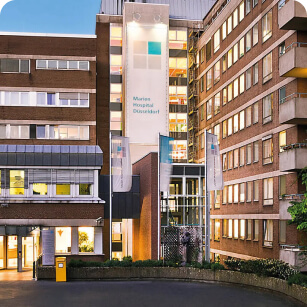
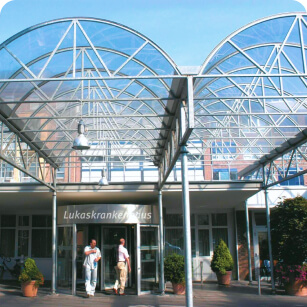
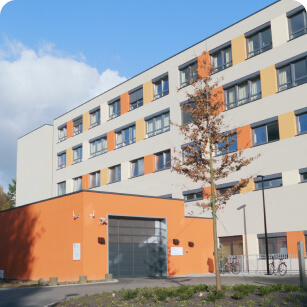





Why RheinRegio Klinik Zentrum?

- International protocols (ESMO, NCCN)
- Genetic testing for the selection of personalized therapy
- Access to clinical trials of new drugs
- Rehabilitation programs to support immunity