
Treatment of lobular carcinoma in Germany
Innovations in the treatment of lobular carcinoma: from immunohistochemical profiling to personalized treatment

Lobular carcinoma (lobular cancer) is the second most common (10-15% of cases) type of malignant breast tumors, developing from glandular lobules. RheinRegio Klinik Zentrum uses personalized protocols with breast conservation in the early stages and reconstructive solutions after mastectomy.
Symptoms of lobular carcinoma
Features of the clinic:
- Often asymptomatic
- A dense area without clear boundaries (unlike nodular ductal carcinoma)
- Late detection (10-15% larger than ductal at diagnosis)
Diagnostic methods in Germany:
- Mammography with tomosynthesis (sensitivity 85%)
- Breast MRI (gold standard for LCIS)
- Biopsy with immunohistochemistry (absence of E-cadherin – a marker of lobular type)
- Genetic testing (CDH1, BRCA)
Diagnosis of lobular carcinoma at the RheinRegio Klinik Zentrum
Basic methods:
- Mammography (may be uninformative due to diffuse growth)
- Ultrasound of the mammary glands + elastography (density estimate)
- MRI of the mammary glands (gold standard for identifying multifocal lesions)
Biopsy and histology:
- Trephine biopsy with IHC study (ER/PR/HER2/Ki-67)
- Features: Small cells with infiltrative growth (often ER+/PR+/HER2-)
Additionally:
- CT/PET-CT – if metastases are suspected
- Genetic testing (with family history)
Note: Lobular carcinoma is common bilateral – examination of both glands is required.
Each direction is supervised by advanced oncologists.
Find out the cost of treatment
To find out the approximate cost of treatment, answer a few questions and we will contact you!
Classification and stages of lobular carcinoma
Types:
- In situ (LCIS) – non-invasive form
- Invasive (ILC) – 2nd most common type of breast cancer
Stages (TNM):
- 0: LCIS
- I: Tumor ≤2 cm
- II: 2-5 cm ± 1-3 lymph nodes
- III: >5 cm or ≥4 lymph nodes
- IV: Metastases
Features:
- 95% of cases – ER+/PR+
- Often multicentric growth
- High risk of bilateral damage
Treatment options for lobular carcinoma
Surgery
- Lumpectomy with intraoperative radiation therapy (for sizes up to 3 cm)
- Oncoplastic resection with simultaneous reduction mammoplasty
- Sentinel biopsy instead of complete lymph node dissection
Drug therapy
- Hormone therapy (tamoxifen/aromatase inhibitors – in ER+/PR+ 95% of cases)
- Targeted drugs (palbociclib for CDK4/6+)
- Immunotherapy (for metastatic forms)
Reconstruction
- Own tissues (TRAM flap)
- Implants with AlloDerm matrix
Survival prognosis
5-year survival rate:
- Localized (stage I–II): 90–95%
- Locally advanced (stage III): 70–80%
- Metastatic (stage IV): 25–35%
Key factors:
- Hormone positive status (ER+/PR+) – best response to therapy
- Low Ki-67 (<15%) – favorable forecast
- No lymph node involvement
- Possibility of radical treatment
Features:
-
Slower to progress than ductal carcinoma, but higher risk late relapses (in 10+ years)
-
For metastases – a good answer to hormone therapy and CDK4/6 inhibitors
Note: Standard survival rates may improve with modern treatments.
Our clinics
The association of clinics RheinRegio Klinik Zentrum offers the organization of treatment of lobular carcinoma in Germany without intermediaries, providing access to the country’s leading oncology clinics. We combine advanced techniques, an individual approach and the highest level of medical care, giving hope even in difficult cases.


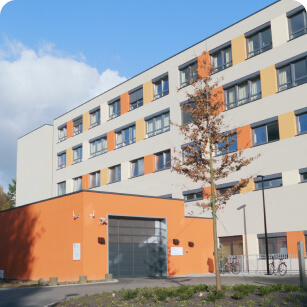








Why RheinRegio Klinik Zentrum?

- ESMO Level Oncoplastic Surgery Center
- Molecular Genetics Laboratory
- Cryopreservation of eggs before chemotherapy
- Risk reduction programs for mutation carriers