
Treatment of lymph nodes for bowel cancer in Germany
Innovations in the treatment of lymph node metastases in colorectal cancer

Lymph node involvement is a key factor in the prognosis and treatment of colon cancer. In Germany, innovative methods of diagnosis and treatment of metastatic disease of the lymph nodes are used, which significantly increases the chances of successful treatment.
The RheinRegio Klinik Zentrum provides a full range of oncological care – from precise biopsy of sentinel lymph nodes to extended lymph node dissections using robotic technologies.
Symptoms of lymph node damage in colon cancer
Early stages
- Transient swelling (worsens in the evening)
- Feeling of heaviness in the limbs
- Limitation of joint mobility
Late stages
- Dense, persistent swelling
- Fibrous skin changes (“elephantiasis”)
- Trophic disorders (hyperkeratosis, ulcers)
- Recurrent erysipelas
Alarm sign: Unilateral swelling that does not respond to standard therapy.
Diagnosis of lymph nodes for intestinal cancer at RheinRegio Klinik Zentrum
Accurate visualization
- PET-CT – detection of metastases from 4 mm in size
- MRI of the pelvis with contrast – assessment of the condition of the mesorectal lymph nodes
- Endoscopic ultrasound – biopsy of suspicious nodes
Intraoperative technologies
- Sentinel biopsy with radiopharmaceutical
- Express histology during surgery
Surgical approaches
- Lymph dissection D2-D3 – removal of nodes with surrounding tissue
- Robot-assisted operations (Da Vinci) – accuracy up to 1 mm
Combination therapy
- Neoadjuvant chemoradiotherapy (before surgery)
- Targeted therapy (for KRAS/NRAS mutations)
- Immunotherapy (for MSI-H status)
Each direction is supervised by advanced oncologists.
Find out the cost of treatment
To find out the approximate cost of treatment, answer a few questions and we will contact you!
Classification and stages of lymph node involvement in colorectal cancer
N-categories (TNM classification):
- N0 – no metastases
- N1 – 1-3 affected lymph nodes
- N1a: 1 node
- N1b: 2-3 knots
- N1c: tumor deposits without node involvement
- N2 – 4+ lymph nodes
- N2a: 4-6 knots
- N2b: 7+ nodes
Key factors:
- Metastasis size > 2 mm
- Extracapsular spread
- Localization (regional vs distant nodes)
Stages of cancer with lymph node involvement (III):
- IIIA: T1-2 + N1
- IIIB: T3-4 + N1
- IIIC: Any T+N2
Detection methods at RheinRegio Klinik Zentrum:
- PET-CT/MRI
- Sentinel node biopsy
- Immunohistochemistry
Methods of treating lymph nodes for intestinal cancer
1. Surgical treatment
- Lymph dissection – removal of affected lymph nodes during intestinal resection
- Laparoscopic and robotic surgeries (Da Vinci)
2. Radiation therapy
- IMRT (modulated in intensity) – precise impact on metastatic areas
- SBRT (stereotactic) – for single lesions
3. Systemic therapy
- Individually tailored chemotherapy
- Targeted therapy (drugs against VEGF, EGFR)
- Immunotherapy (with MSI status)
Survival prognosis
- 5-year survival rate (N0): 85-90%
- 5-year survival rate (N1): 65-75%
- Diagnostic accuracy of PET-CT: 92-96%
Timely identification and treatment of affected lymph nodes increases the chances of remission. At RheinRegio Klinik Zentrum we offer advanced oncological technologies with proven effectiveness.
Sign up for a consultation with our oncological surgeons!
Our clinics
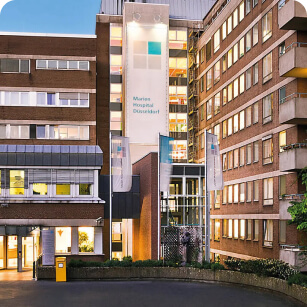
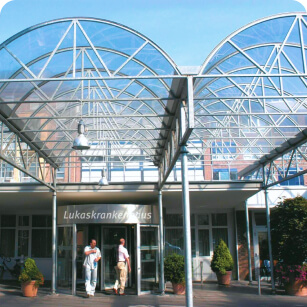
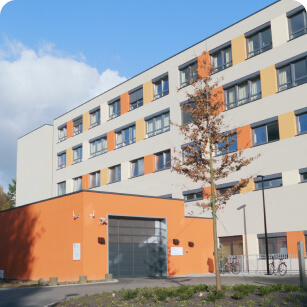
The association of clinics RheinRegio Klinik Zentrum offers the organization of treatment of lymph nodes for intestinal cancer in Germany without intermediaries, providing access to the country’s leading oncology clinics. We combine advanced techniques, an individual approach and the highest level of medical care, giving hope even in difficult cases.








Why RheinRegio Klinik Zentrum?

- Comprehensive Cancer Center level cancer center
- Hybrid operating rooms for intraoperative radiotherapy
- Personalized protocols based on NGS testing
- Rehabilitation according to international standards