
Treatment of uterine fibroids with adenomyosis in Germany
Innovations in the treatment of uterine fibroids with adenomyosis: from ultrasound diagnostics to organ-preserving technologies
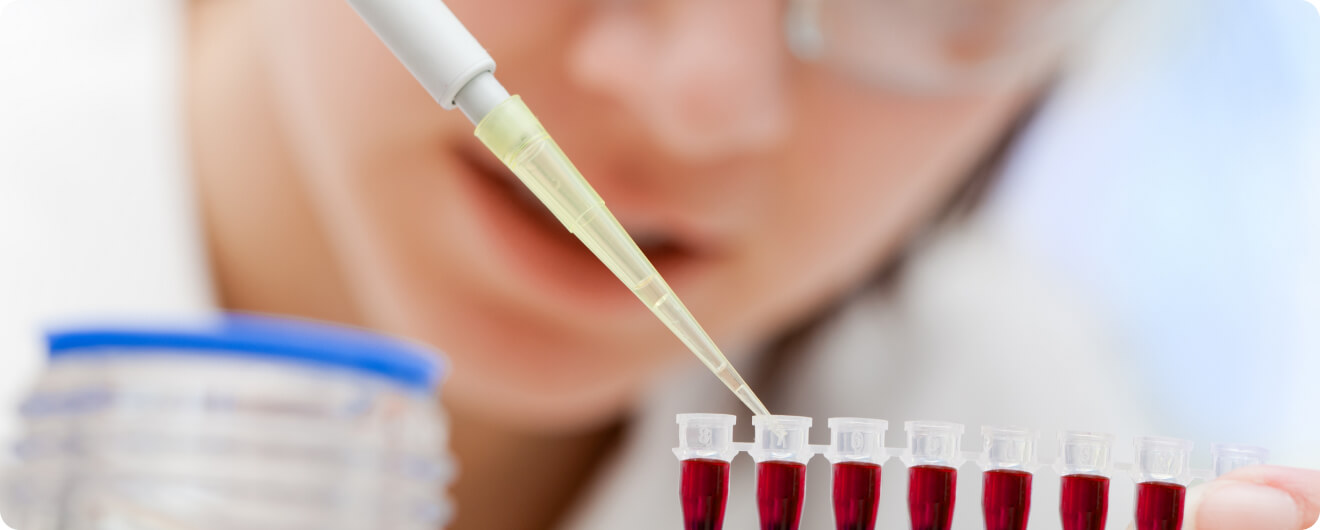
Uterine fibroids with adenomyosis are a common combination of gynecological pathologies that require a special approach to treatment. RheinRegio Klinik Zentrum uses modern organ-preserving techniques, including uterine artery embolization (UAE) and laparoscopic surgeries, which makes it possible to effectively treat the disease while preserving reproductive function.
Symptoms of uterine fibroids with adenomyosis
The combination of these pathologies enhances clinical manifestations:
- Heavy and painful menstruation (menorrhagia)
- Intermenstrual bleeding
- Chronic pelvic pain (worsening before menstruation)
- Anemia due to blood loss
- Disorders of urination and defecation (for large sizes)
- Infertility or miscarriage
If these symptoms are present, an urgent consultation with a gynecologist is recommended.
Features of the disease
- Myoma is a benign tumor of the muscular layer of the uterus
- Adenomyosis – growth of the endometrium into the muscle layer
- The combination of pathologies occurs in 35-50% of patients
- Hormonal dependence (estrogen-progesterone imbalance)
Diagnosis of uterine fibroids with adenomyosis at RheinRegio Klinik Zentrum
We conduct a comprehensive examination:
- Ultrasound with Dopplerography (transvaginal and abdominal)
- MRI of the pelvis is the gold standard for diagnosis
- Hysteroscopy with endometrial biopsy
- Laboratory tests (hormonal profile, tumor markers)
- Differential diagnosis with endometriosis and cancer
Our gynecological surgeons use the latest diagnostic protocols to accurately assess the condition.
Each direction is supervised by advanced oncologists.
Find out the cost of treatment
To find out the approximate cost of treatment, answer a few questions and we will contact you!
Classification and stages of uterine fibroids with adenomyosis
Classification by localization
- Subserosal – grows on the outer wall of the uterus, can put pressure on the bladder/intestines.
- Intramural – inside the muscle layer, causes an enlargement of the uterus.
- Submucosal – under the mucous membrane, provokes bleeding.
- Cervical – in the cervical area, rare.
Stages of development
- Small (up to 2–3 cm) – often asymptomatic.
- Average (3–6 cm) – disrupt the menstrual cycle.
- Large (>6 cm) – risk of uterine deformation, complications during pregnancy.
Special forms
- Myoma with adenomyosis – combination with germination of the endometrium into the muscle layer.
- Calcified – with long-term existence.
Why is this important?
- Defines treatment tactics (hormones, FUS ablation, surgery).
- Affects fertility forecast.
Treatment methods for uterine fibroids with adenomyosis
Conservative therapy
- Hormonal drugs (GnRH agonists, progestogens)
- Mirena IUD (levonorgestrel-releasing system)
- Non-hormonal hemostatic agents for bleeding
Minimally invasive methods
- Uterine artery embolization (UAE) – efficiency up to 95%
- FUS ablation – ultrasonic destruction of nodes
- Laparoscopic myomectomy – organ-conserving surgery
Surgical treatment
- Hysteroresectoscopy for submucosal nodes
- Laparoscopic hysterectomy (in difficult cases)
Rehabilitation and restoration of fertility
- Hormonal support after surgery
- Planning pregnancy in 6-12 months
Myoma with adenomyosis is not a death sentence for women’s health. At RheinRegio Klinik Zentrum, we use innovative technologies to provide our patients with effective treatment while maintaining quality of life and reproductive function.
Sign up for a consultation with a leading gynecologist-surgeon!
Our clinics
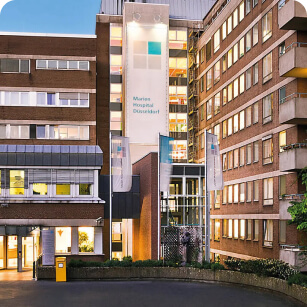
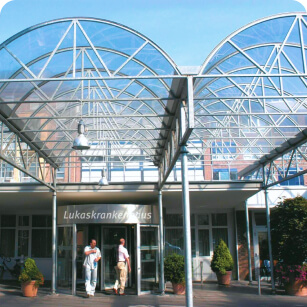
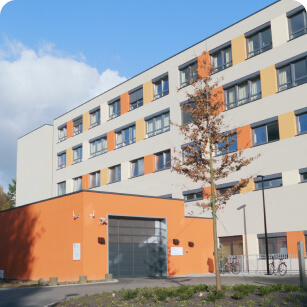
The association of clinics RheinRegio Klinik Zentrum offers the organization of treatment of uterine fibroids with adenomyosis in Germany without intermediaries, providing access to the country’s leading oncology clinics. We combine advanced techniques, an individual approach and the highest level of medical care, giving hope even in difficult cases.


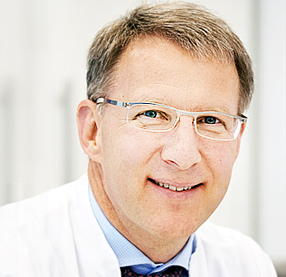
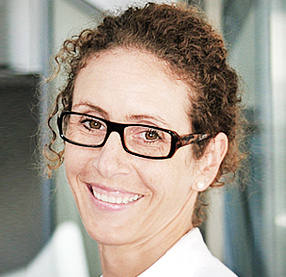
Why RheinRegio Klinik Zentrum?

- Gynecologists with 20 years of experience in treating complex cases
- Own endovascular operating room for UAE
- Organ-preserving approach in women of reproductive age
- German diagnostic standards (DGGG)
- Individual treatment regimens for each patient